Physical Address
Los Angeles, CA, United States
Physical Address
Los Angeles, CA, United States

The Pet Tech Gazette | Discover the Future of Pet Tech.
The Pet Tech Gazette | Discover the Future of Pet Tech.
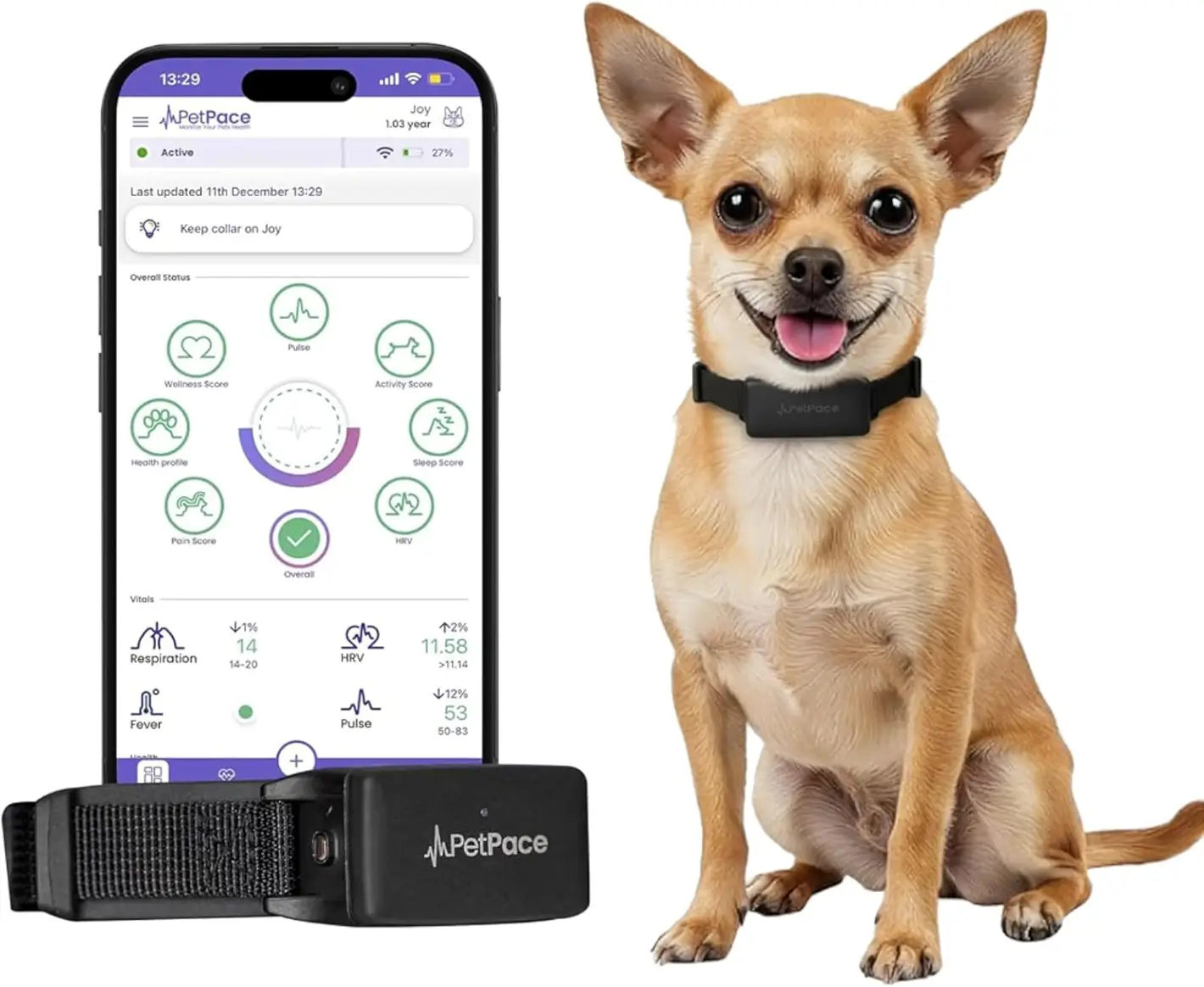
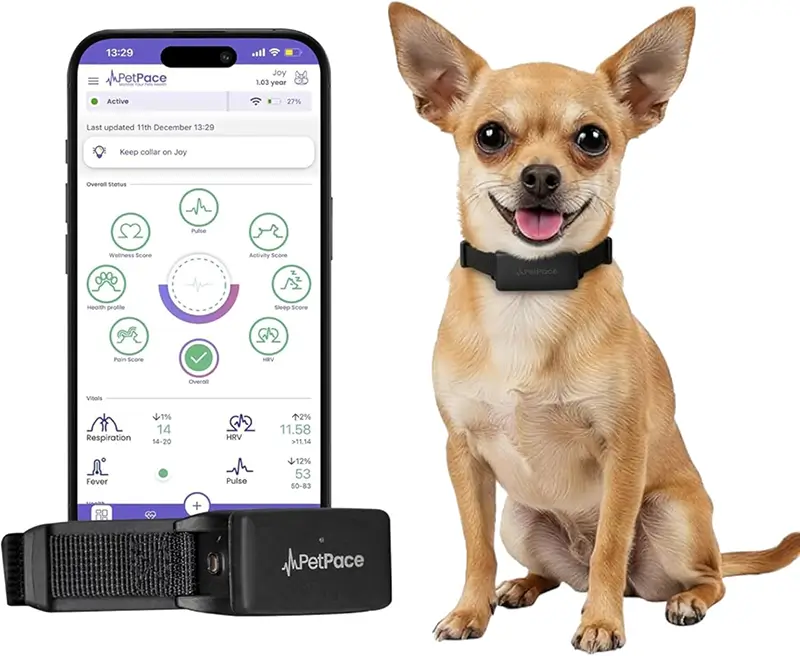
If you are reading this PetPace 3.0 review, you probably know the cold panic that sets in when a backyard gate is left unlatched. For years, the smart pet collar market has been dominated by location trackers focused on one thing: geofencing. While knowing your dog's coordinates is crucial for escape artists, it does nothing to tell you how your dog is feeling inside. Standard activity trackers are simply insufficient for vulnerable pets.
This premium PetPace 3.0 review evaluates a clinical-grade biometric telemetry device rather than a standard step counter. If you own a senior dog, a pet recovering from surgery, or a breed prone to cardiac issues, you need predictive health data. In our 72-hour continuous testing phase, we analyzed whether this device can truly replace the anxiety of the unknown with hard, actionable diagnostics.
When dealing with medical-grade equipment, build quality and sensor accuracy dictate the product's lifespan. The casing must endure the daily rigors of an active canine life while keeping sensitive telemetry components perfectly insulated, which is a key focus of our PetPace 3.0 review.
| Specification | PetPace 3.0 Hardware Data |
| Primary Sensors | Thermometer, Acoustic Sensor, 6-Axis Accelerometer |
| Tracked Biometrics | HRV, Pulse, Respiration Rate, Posture, Temperature |
| Durability | IP68 (Fully dust and waterproof, submersible) |
| Battery Life | Up to 3 weeks (Standard Mode) / 3 days (Intensive Mode) |
| Connectivity | Bluetooth 5.2 & Wi-Fi (No Cellular GPS) |
The collar feels surprisingly lightweight, preventing neck fatigue for smaller breeds. The acoustic sensors, positioned to rest against the carotid artery, are highly sensitive. During our stress tests, the IP68 rating held true against submersion and mud, which is essential for active dogs.
The soul of this hardware lies in its algorithm. Unlike standard smart rings that use optical PPG sensors, the official PetPace system utilizes proprietary acoustic and piezoresistive sensors to bypass thick canine fur.
The companion app is heavily data-driven but avoids overwhelming the user by using intuitive “Health Scores.” For any thorough PetPace 3.0 review, we must mention its Veterinary Dashboard Integration.
For users in the US, Canada, and the UK, PetPace offers seamless API integration with major veterinary clinic databases. You can authorize your local vet to receive automated alerts if your dog's biometrics cross critical thresholds. Users across mainland Europe and Australia can instantly generate PDF clinical reports tailored to regional veterinary standards.
Here is the critical distinction that every PetPace 3.0 review must highlight: This device does not feature GPS or cellular geofencing.
If your primary pain point is a dog that constantly escapes the yard, you need a cellular GPS collar like the Fi Series 3 GPS Tracker. But if your priority is medical monitoring, adding a heavy GPS cellular radio would drain the battery in days. PetPace chose pure health monitoring over location tracking.
Battery longevity is highly dependent on your data transmission frequency. Throughout the testing phase for this PetPace 3.0 review, switching the collar to “Intensive Monitoring Mode” drained the cell within 72 hours. However, under the standard civilian profile where the collar syncs over home Wi-Fi periodically, the lithium-ion battery reliably lasted 18 days.
A: No. It acts as an early warning system, providing your vet with longitudinal data to make faster, more accurate diagnoses.
A: Yes, continuous cloud processing for the AI algorithms requires a subscription, varying by region.
To conclude our PetPace 3.0 review, this is a specialized, high-ticket investment. It is not for the casual owner who just wants to see how many miles their dog walked. But for those managing chronic canine illnesses, protecting an aging pet, or managing senior dog care, it is a revolutionary piece of smart pet gear. It transforms subjective worrying into objective medical data.